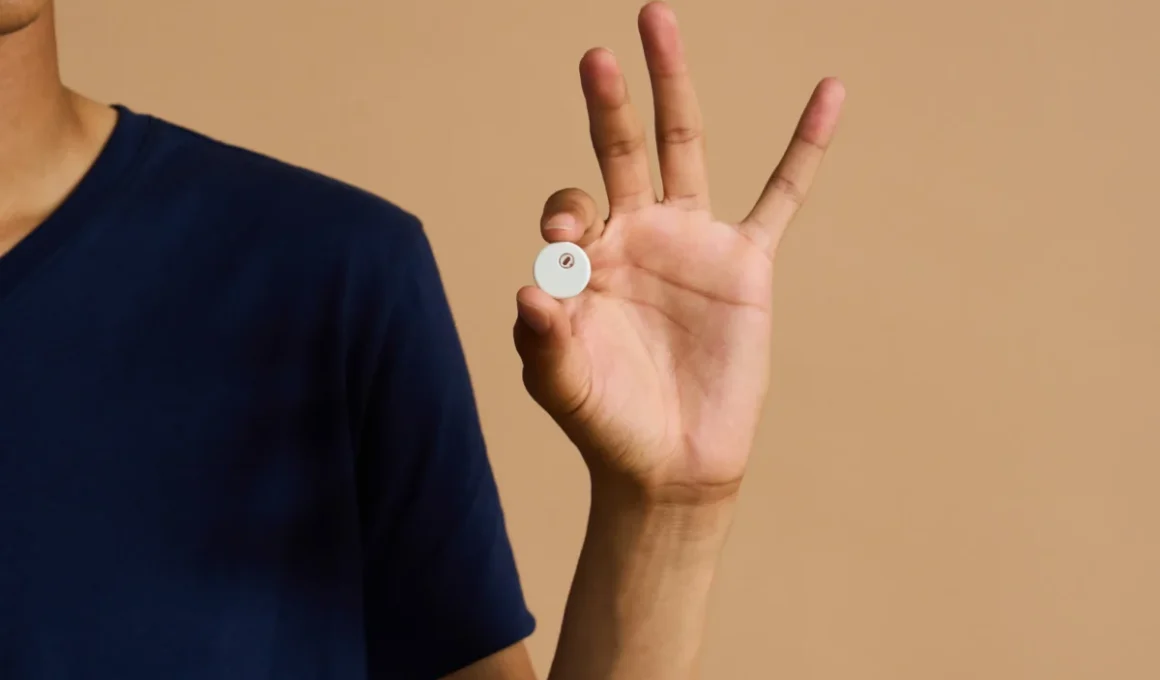
On 25 August the FDA authorised Abbott’s Libre Duo 10 Day Continuous Dual Glucose Ketone Monitoring System. The agency calls it the first wearable device in the US that continuously monitors ketone levels, and the first in the world to continuously monitor both ketones and blood sugar in a single device.
The authorisation came through the De Novo pathway, which the FDA uses for devices of a genuinely new type. Granting a De Novo also establishes a new device classification. Abbott says the Libre Duo is the first system to meet the FDA’s new integrated continuous glucose and ketone monitoring standard.
Who it is for, and what it does
The device is authorised for people aged two years and older living with diabetes. Abbott describes the intended population more specifically: people with Type 1 or Type 2 diabetes who use insulin or glucose-lowering medications such as SGLT2 inhibitors.
It monitors glucose and ketones continuously across a ten-day wear period. In the FDA’s words, it “can send automatic alerts if ketone levels reach a concerning threshold, which may help patients and caregivers recognize rising ketones before DKA becomes a medical emergency.”
Diabetic ketoacidosis is what the device is built to warn about. Abbott says DKA can develop within hours and, left untreated, may progress to coma or death.
Michelle Tarver, who directs the FDA’s Center for Devices and Radiological Health, said that knowing ketone levels are rising in real time, around the clock, “can be the difference between early intervention and a life-threatening emergency.”
Ketone information should always be interpreted in the context of glucose readings and symptoms.
The evidence
The FDA reviewed six clinical studies enrolling more than 600 participants aged two and up. In the agency’s words, “the results demonstrated that the device accurately tracked clinically meaningful differences in ketone levels across its 10-day wear period,” including identifying elevated ketones before DKA onset. The device held Breakthrough Device designation before authorisation.
The limits, stated by the FDA and Abbott
The FDA says ketone information should always be interpreted in the context of glucose readings and symptoms.
Abbott sets out the limits of the alarm in its own release. The Urgent High Ketones alarm “may not detect all instances of glucose less than 55 mg/dL and ketones higher than 3.0 mmol/L.” If readings and alarms do not match symptoms or expectations, Abbott says users should take a fingerstick glucose value from a blood glucose meter for treatment decisions. Ketone output should be used in conjunction with glucose levels.
The authorisation covers diabetes and the detection of rising ketones associated with DKA. It does not address ketogenic diets, fasted training, athletic performance or metabolic age.
What happens next
Abbott says the US launch is planned for later in 2026. Neither of the 25 August announcements states pricing or prescription status.