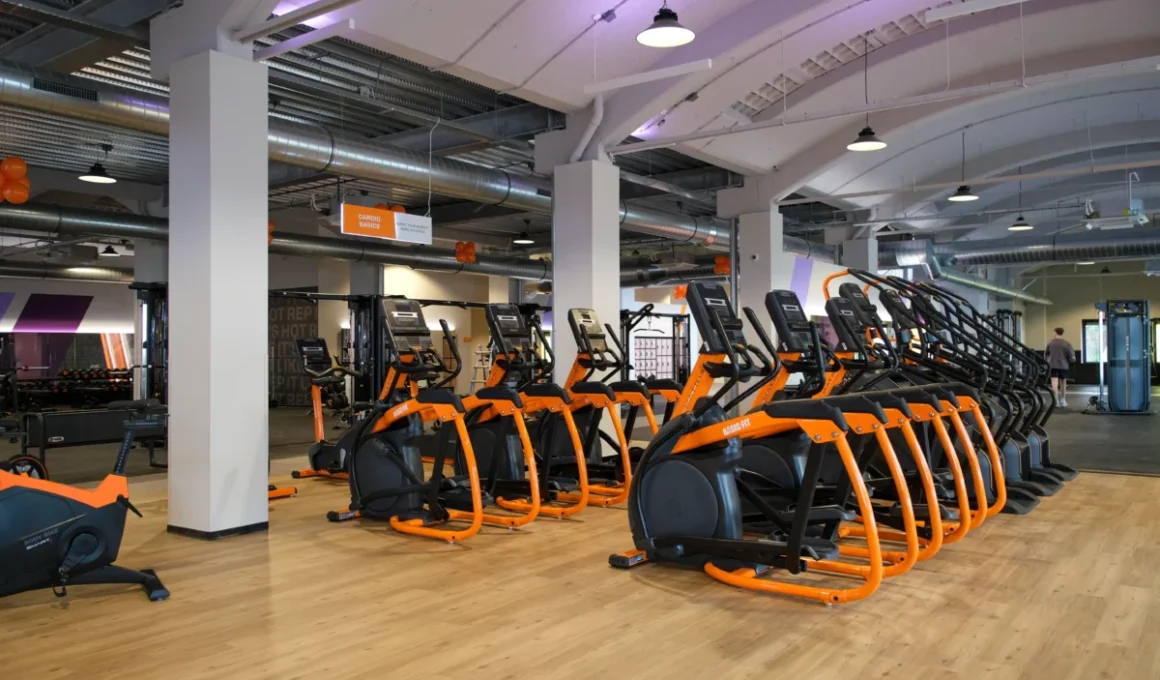
In its half-year report published on 28 July, Basic-Fit disclosed that it spent 57.2 million euros building 39 new clubs in the first half of 2026. That is an average investment of 1.47 million euros per newly built club, up from 1.38 million a year earlier. The company also said why it went up: larger club sizes, and its new look and feel.
Read that second part again, because it is the whole story. A 6.5 percent rise in the cost of a new club would ordinarily read as cost pressure. Basic-Fit’s own explanation is that it is building bigger clubs to a new design. The number moved because the specification moved.
There is a difference between a build cost that is rising and a build cost you have decided to raise, and a set of accounts rarely tells you which one you are looking at unless the company says so.
The rest of the disclosure
At the half year Basic-Fit reported 1,751 owned clubs and 2,192 group-wide, 6.1 million memberships, and revenue of 800.3 million euros, up 18 percent. It is guiding to around 50 net owned club openings for the full year. Average memberships per Basic-Fit branded club rose to 2,999, up 229 year on year.
Two cautions on the figures. The 1.47 million euros is an average across the 39 clubs built in the half, not a fixed price for a club, and not a fully loaded cost of opening one. And the 2,999 is a fleet average across clubs at every stage of maturity, so it does not describe what the 39 new clubs will hold.
There is a difference between a build cost that is rising and a build cost you have decided to raise.
The operator move
The euro figure itself will not transfer. It describes a European low-cost format at scale and says nothing useful about a boutique studio in Toronto or a premium club in Texas.
What transfers is the discipline behind it. Basic-Fit can tell you what its last 39 builds cost, what the number was the year before, and which decision moved it. That is three separate things, and the third one is the hard one, because it requires knowing what changed in the specification and not just what changed in the total.
So the question for your own last build is not only what it cost. It is what you decided to spend more on than the time before, and whether you can say what that bought you. Bigger footprint. Better finishes. More equipment. A recovery room. Each of those is a choice with a return attached, and a total on its own hides every one of them.
When your next build costs more than your last one, will you be able to say which decision did it?